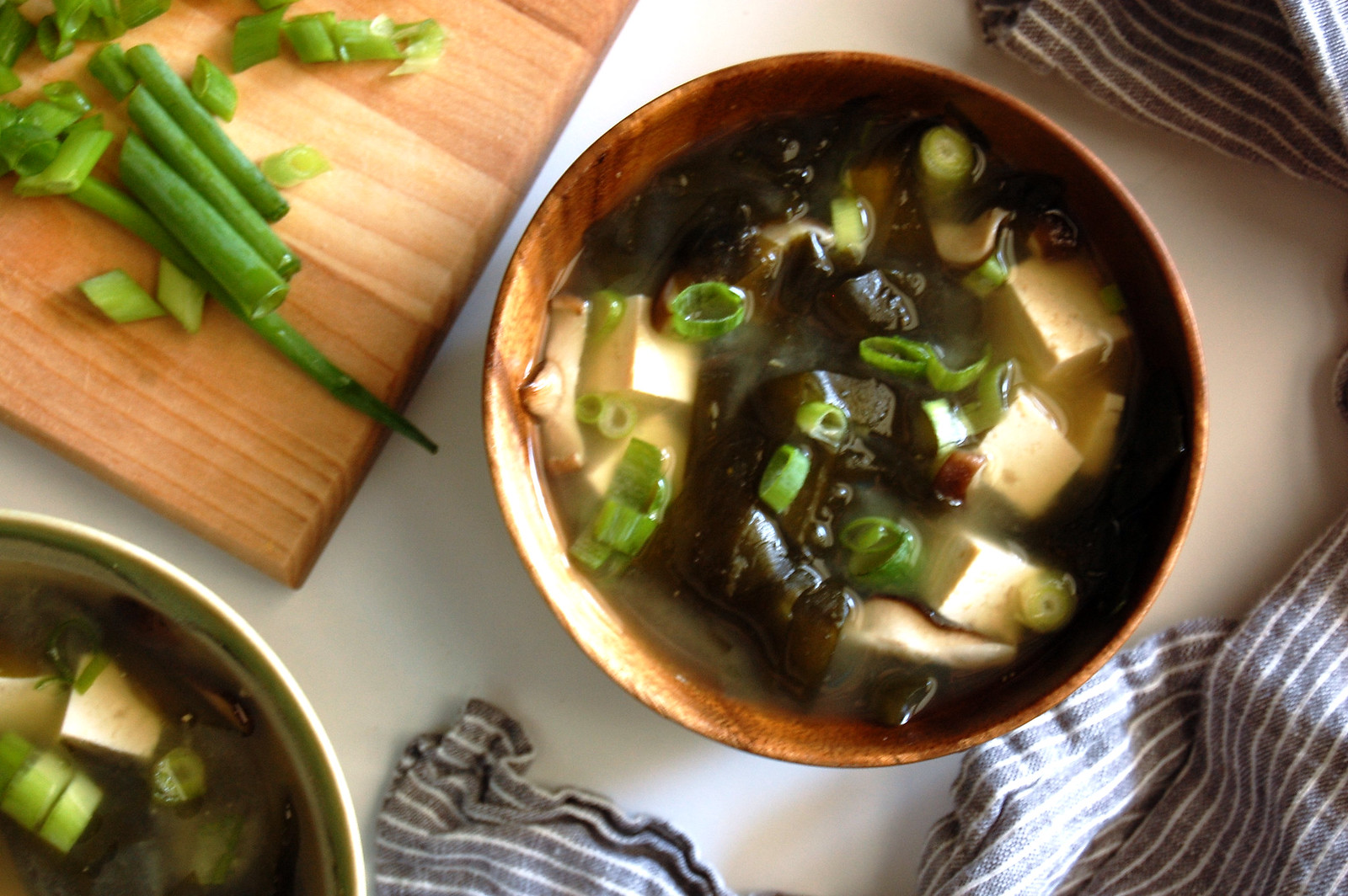
Embrace Comfort: Your Guide to Easy Homemade Japanese Miso Soup
There are few culinary experiences as universally comforting and deeply satisfying as a warm bowl of Japanese miso soup. This traditional Japanese staple, with its rich history and delicate balance of umami flavors, has graced dining tables for centuries. Far from being an intimidating dish reserved for restaurant menus, mastering a delicious miso soup recipe is surprisingly simple, even for the novice home cook. This article will walk you through an easy, step-by-step guide to creating an authentic and nourishing Japanese miso soup right in your own kitchen, bringing a taste of Japan directly to you.
Why You'll Fall in Love with Homemade Miso Soup
A bowl of Japanese miso soup is more than just food; it's an experience. It offers a unique sensory journey that begins with the fragrant steam rising from the bowl. You get a perfect balance of earthy, subtly salty, and a hint of sweetness, all anchored by the profound umami that makes your taste buds sing. It's wonderfully light yet incredibly satisfying, providing a sense of warmth without feeling heavy. This makes it an ideal starter, a light lunch, or a comforting side dish. Perhaps best of all, it's surprisingly quick to whip up, even when you're short on time, making it a go-to for busy weeknights or when you simply crave something wholesome and delicious.
The Heart of Japanese Cuisine: A Glimpse into Miso's Rich Heritage
To truly appreciate Japanese miso soup, it helps to understand its star ingredient: miso paste. Miso, a fermented soybean paste, boasts a lineage stretching back over 1,000 years in Japanese cuisine. Its origins lie in ancient preservation techniques, transforming soybeans into a versatile and flavorful staple. Over time, miso evolved from a simple food preservative into the beloved base for one of Japan's most iconic soups. This rich heritage underscores why miso soup isn't just a meal; it's a testament to centuries of culinary tradition and a pillar of Japanese comfort food. To delve deeper into its fascinating past, you can explore The Cozy History & Umami Flavors of Traditional Miso Soup.
Understanding the Pillars of Flavor: Key Ingredients
While humble in appearance, a truly great Japanese miso soup relies on a few core ingredients working in harmony to create its distinctive depth of flavor:
- Dashi Stock: This is the soul of miso soup. Dashi is a fundamental Japanese broth, typically made from kombu (dried kelp) and katsuobushi (bonito flakes). It provides the foundational umami flavor that elevates the entire soup. While instant dashi granules are available for convenience, making it from scratch offers a superior, fresher taste.
- Miso Paste: The star ingredient! Miso comes in various types, each with its own flavor profile:
- Shiro Miso (White Miso): Lighter in color and sweeter, with a milder, delicate flavor.
- Awase Miso (Mixed Miso): A blend of red and white miso, offering a balanced flavor profile suitable for most dishes.
- Aka Miso (Red Miso): Darker, saltier, and more robust, with a deeper, fermented flavor.
- Tofu: Soft or silken tofu, cut into small cubes, adds a wonderful creamy texture and a good source of plant-based protein, making the soup more satisfying.
- Wakame Seaweed: Dried wakame expands beautifully in the hot broth, providing a slightly chewy texture and a subtle oceanic flavor. It's also packed with minerals.
- Green Onions (Scallions): Sliced thinly, these are added fresh at the end as a garnish, offering a crisp, pungent counterpoint to the savory broth.
Easy Homemade Japanese Miso Soup Recipe: Your Step-by-Step Guide
Ready to create your own bowl of comfort? This recipe is designed to be straightforward and yields a delicious, authentic Japanese miso soup.
Ingredients:
- 4 cups water
- 1 piece dashi kombu (approximately 4-6 inches)
- ½ cup bonito flakes (katsuobushi)
- 3 tablespoons miso paste (awase or shiro recommended), adjust to taste
- 1 teaspoon dried wakame
- 12 oz silken or soft tofu, drained and cut into ½-inch cubes
- ¼ cup sliced green onions (scallions), for garnish
Procedure:
- Prepare the Dashi Stock: In a medium saucepan, combine the 4 cups of water and the dashi kombu. Bring the water to a gentle simmer over low to medium heat. Just before it reaches a rolling boil (you'll see small bubbles forming), remove the kombu. Boiling kombu can make the dashi bitter.
- Infuse with Bonito: Once the kombu is removed, add the bonito flakes to the simmering water. Cook for about 30 seconds, then turn off the heat. Allow the bonito flakes to steep for another 2-3 minutes.
- Strain the Dashi: Carefully strain the dashi through a fine-mesh sieve into a clean bowl or back into the saucepan. Discard the spent bonito flakes. This clear, fragrant liquid is your dashi stock.
- Hydrate Wakame and Add Tofu: Return the dashi stock to the saucepan over medium-low heat. Add the dried wakame and diced tofu. Stir gently and allow it to warm through for 2-3 minutes, letting the wakame rehydrate and soften.
- Dissolve the Miso Paste: This is a crucial step for preventing clumps and preserving the miso's delicate flavor and probiotic benefits. In a small bowl, scoop out about ½ cup of the hot dashi stock from the saucepan. Add the miso paste to this small bowl and whisk it thoroughly until the miso is completely dissolved and smooth.
- Incorporate the Miso: Pour the dissolved miso mixture back into the saucepan with the remaining dashi, wakame, and tofu. Stir gently to combine. It's very important at this stage not to boil the soup once the miso is added. High heat can kill the beneficial probiotics in the miso and alter its nuanced flavor. Simply warm it through for another minute or so, ensuring it's hot but not simmering.
- Serve and Garnish: Ladle the hot Japanese miso soup into individual bowls. Garnish generously with the freshly sliced green onions. Serve immediately, perhaps alongside steamed rice or other Japanese dishes.
Tips for Miso Soup Mastery & Customization
- Never Boil Miso: As mentioned, once you've added the miso paste, keep the heat low. Boiling will diminish its flavor and destroy its beneficial probiotics.
- Adjust Miso to Taste: Miso paste varies in saltiness and intensity. Start with the recommended amount and add a little more if you prefer a stronger flavor. Always taste before adding more.
- Experiment with Ingredients: While this recipe is classic, miso soup is highly customizable. Consider adding thinly sliced mushrooms (shiitake or enoki), a handful of fresh spinach, small cubes of daikon radish, or even thin slices of fish cake (kamaboko) for variation. Add harder vegetables at the beginning to cook thoroughly.
- Make Dashi Ahead: You can prepare a larger batch of dashi stock and store it in the refrigerator for up to 3 days, making quick miso soup even faster.
- Serving Suggestions: Miso soup is a traditional part of a Japanese breakfast, often served with rice, grilled fish, and pickles. It also makes a wonderful light lunch or a delightful starter to any meal.
The Nourishing Power of Japanese Miso Soup
Japanese miso soup is not just delicious; it's also packed with nutritional benefits. Miso paste, being a fermented food, is rich in probiotics, which are fantastic for gut health and digestion. Tofu provides an excellent source of plant-based protein, while wakame seaweed contributes essential minerals like iodine and calcium. Add in vegetables like green onions and any optional additions like mushrooms, and you're boosting your intake of vitamins, fiber, and antioxidants. It's a low-calorie, nutrient-dense dish that can be a healthy addition to a balanced diet. However, like all foods, moderation is key. Miso does contain sodium, so individuals with high blood pressure or kidney issues should consume it mindfully. Those with soy allergies, of course, should avoid it. For a deeper dive into its nutritional profile, check out our article on Japanese Miso Soup: Unpacking Its Health Benefits & Nutrition.
Making Japanese miso soup at home is a rewarding experience that offers both culinary satisfaction and nourishing benefits. With this step-by-step guide, you can confidently create a warm, flavorful, and authentic bowl that rivals any restaurant version. So, gather your ingredients, follow these simple steps, and prepare to wrap yourself in the comforting embrace of homemade miso soup.
