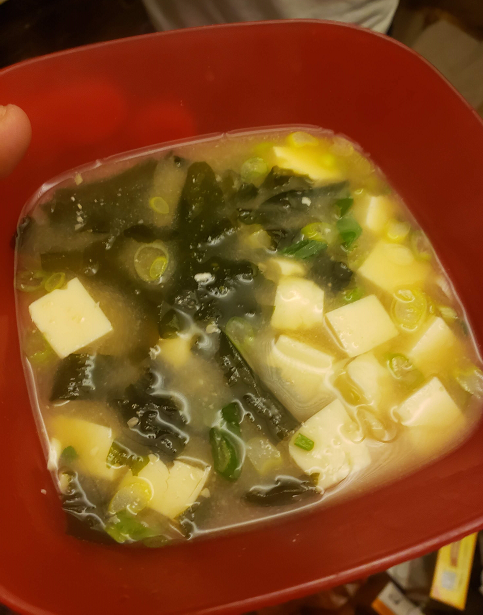
The gentle aroma of dashi, the rich umami of fermented soybeans, and the comforting warmth of a simple broth – this is the essence of Japanese Miso Soup. More than just a culinary staple, this beloved dish, enjoyed for centuries across Japan, offers a remarkable blend of flavor and nutrition. From bustling city breakfasts to serene countryside dinners, a bowl of Japanese Miso Soup is a testament to the power of simple, wholesome ingredients. But beyond its savory appeal and comforting embrace, what truly makes this soup a powerhouse of well-being? Let's delve into the fascinating world of its health benefits and nutritional profile.
For many, the mention of Japanese cuisine conjures images of sushi and sashimi, yet it's the humble Japanese Miso Soup that truly anchors the traditional Japanese meal. Its history stretches back over a thousand years, with miso itself originating as a vital method for food preservation. Over time, it transcended its practical origins to become a cherished daily ritual, valued not only for its distinctive flavor but also for its profound health properties. It's a low-calorie, nutrient-dense dish that can easily become a cornerstone of a balanced diet, offering much more than just fleeting satisfaction.
The Core Ingredients: A Symphony of Nutrition
At its heart, Japanese Miso Soup is a masterclass in simplicity, built upon a few key ingredients that each contribute significantly to its nutritional prowess. Understanding these components is key to appreciating the soup's overall health impact.
Miso Paste: The Fermented Marvel
- Probiotics Powerhouse: Miso paste, made from fermented soybeans (often with rice, barley, or other grains), is the star. Its fermentation process is what makes it so special. It introduces beneficial bacteria, known as probiotics, which are crucial for a healthy gut microbiome. A balanced gut can aid digestion, nutrient absorption, and even support immune function.
- Rich in Nutrients: Beyond probiotics, miso paste is a good source of protein, essential amino acids, B vitamins (including B12, though its bioavailability can vary), vitamin K, and minerals like manganese, zinc, and copper.
- Umami Depth: The fermentation also creates the deep, savory umami flavor that is characteristic of Japanese Miso Soup. This natural flavor enhancer means less need for artificial additives.
Dashi: The Soulful Broth
The foundation of any good Japanese Miso Soup is dashi, a traditional Japanese stock, typically made from kombu (dried kelp) and bonito flakes (katsuobushi). While often overlooked, dashi itself is packed with natural goodness:
- Minerals from Kombu: Kombu is rich in iodine, calcium, potassium, and other trace minerals essential for thyroid function and bone health.
- Amino Acids from Bonito: Bonito flakes provide a natural source of amino acids, contributing to the soup's savory profile and adding a protein boost.
- Low Calorie Base: Dashi provides a flavorful, low-calorie base, allowing the other ingredients to shine without adding unnecessary fats or sugars.
Tofu and Wakame: Adding Substance and Superfoods
Beyond the broth, traditional miso soup often features:
- Tofu (Plant-Based Protein): Tofu, made from soybeans, is an excellent source of plant-based protein, providing all nine essential amino acids. It's also low in calories and saturated fat, making it a heart-healthy choice. Tofu also offers calcium and iron.
- Wakame (Seaweed Superfood): Dried wakame seaweed expands beautifully in the soup, adding a subtle ocean flavor and a wealth of nutrients. Wakame is particularly rich in iodine (vital for thyroid health), calcium, magnesium, and folate. It also contains unique compounds like fucoxanthin, which has antioxidant properties.
Vibrant Vegetables: Vitamins and Antioxidants
While often simple, Japanese Miso Soup typically includes fresh vegetables like sliced green onions, and sometimes mushrooms (shiitake or enoki). These additions bring:
- Vitamins & Minerals: Green onions offer vitamins A and C, while mushrooms provide B vitamins and powerful antioxidants.
- Fiber: Vegetables contribute dietary fiber, important for digestive health and satiety.
Unpacking the Health Benefits of Japanese Miso Soup
Bringing all these ingredients together results in a truly synergistic dish that offers a spectrum of health advantages.
1. Digestive Harmony and Gut Health
The most celebrated health benefit of Japanese Miso Soup stems from its probiotic content. The fermentation process of miso paste cultivates beneficial bacteria that can:
- Improve Digestion: Probiotics help break down food, reduce bloating, and maintain regularity.
- Strengthen Gut Barrier: A healthy gut lining can prevent harmful substances from entering the bloodstream, potentially reducing inflammation throughout the body.
- Enhance Nutrient Absorption: A thriving gut microbiome is more efficient at extracting nutrients from food.
- Boost Immunity: A significant portion of our immune system resides in the gut. By supporting gut health, miso soup indirectly strengthens the body's defenses against illness.
2. A Lean Source of Protein for Sustained Energy
With protein from both miso paste and tofu, Japanese Miso Soup is an excellent way to get a complete, plant-based protein fix. Protein is essential for muscle repair, hormone production, and feeling full and satisfied, making this soup a great choice for a light yet nourishing meal that helps manage hunger.
3. Rich in Essential Vitamins and Minerals
From the iodine in wakame to the B vitamins in miso and the antioxidants in green onions, Japanese Miso Soup is a veritable treasure trove of micronutrients. These play critical roles in everything from energy metabolism and thyroid function to bone health and cellular protection against damage from free radicals.
4. Low in Calories, High in Satisfaction
A typical serving of traditional Japanese Miso Soup is remarkably low in calories, yet its complex umami flavor and varied textures make it incredibly satisfying. This makes it an ideal choice for those looking to maintain a healthy weight without sacrificing flavor or feeling deprived. It's a nutrient-dense option that supports a balanced dietary approach.
Navigating Nutritional Considerations & Moderation
While the health benefits of Japanese Miso Soup are abundant, mindful consumption is key, especially concerning a few important points.
Sodium Content
Miso paste, being a fermented product, is naturally high in sodium. While essential in small amounts, excessive sodium intake can be problematic for individuals with high blood pressure, kidney issues, or those at risk of cardiovascular disease. The good news is that you can manage this:
- Moderation is Key: Enjoy Japanese Miso Soup as part of a varied diet, rather than multiple times a day.
- Adjust Miso Quantity: When making your own Japanese Miso Soup at home, you have full control. Start with less miso paste and taste as you go, adding more only if necessary.
- Consider Low-Sodium Miso: Some brands offer reduced-sodium miso paste, which can be a good alternative.
- Hydrate: Ensure adequate water intake when consuming sodium-rich foods.
Soy Sensitivity or Allergy
Given that miso paste and tofu are both soy-based, individuals with a soy allergy or sensitivity should avoid Japanese Miso Soup. Always check ingredients carefully if you have dietary restrictions.
Beyond the Bowl: Practical Tips for Enjoying Miso Soup
One of the beauties of Japanese Miso Soup is its versatility and ease of preparation. It’s not just for Japanese restaurants; it's a dish you can readily incorporate into your home cooking routine.
- Customization is Encouraged: While traditional recipes are simple, don't hesitate to experiment. Add extra vegetables like spinach, daikon radish, or carrots. Include different protein sources like thinly sliced chicken, fish, or even a poached egg for a heartier meal.
- A Quick and Nourishing Meal: Making Japanese Miso Soup from scratch is surprisingly quick, often taking less than 15-20 minutes. This makes it an ideal choice for a comforting lunch or a light, satisfying dinner. It can be served as a side dish to a larger meal or enjoyed as a complete, standalone dish.
- Choose Your Miso: Different types of miso (white/shiro, yellow/shinsu, red/aka) offer varying flavor profiles, from mild and sweet to robust and salty. Explore different kinds to find your preference.
In conclusion, Japanese Miso Soup is far more than just a flavorful broth; it's a testament to the nourishing power of fermented foods and simple, whole ingredients. Its rich history and cultural significance are matched only by its impressive nutritional profile, offering a bounty of probiotics for gut health, high-quality plant-based protein, and essential vitamins and minerals. While mindful of its sodium content, incorporating this comforting and deeply satisfying soup into your diet can be a delicious step towards enhanced well-being. So, next time you crave a warm, wholesome meal, reach for a bowl of Japanese Miso Soup and savor the goodness it brings.
