The Cozy History & Umami Flavors of Traditional Japanese Miso Soup
Imagine a culinary embrace, a warm hug in a bowl that transcends mere sustenance to offer profound comfort and exquisite flavor. This is the essence of japanese miso soup, a staple of Japanese cuisine that has captivated palates for centuries. More than just a simple broth, it's a dish rich in history, layered with umami, and packed with nourishing goodness, making it a beloved choice for any meal, from a quick breakfast to a comforting dinner.
At its heart, japanese miso soup is a symphony of simplicity and depth. It perfectly balances earthy notes with a subtle saltiness and often a hint of sweetness, creating a flavor profile that is both complex and incredibly satisfying. But what makes this traditional soup so universally cherished? Let's embark on a journey through its fascinating past, delve into its unique flavors, and uncover the health benefits that make it a truly remarkable dish.
A Journey Through Time: The Ancient Roots of Japanese Miso Soup
The story of japanese miso soup is inextricably linked to miso itself, a fermented soybean paste that boasts a heritage stretching back over a thousand years in Japan. Originally, miso wasn't conceived as a soup ingredient but rather as a crucial method for preserving food. Ancient Japanese communities, seeking sustainable ways to store their harvests, discovered the transformative power of fermenting soybeans with salt and koji mold. This ingenious process not only extended the shelf life of soybeans but also developed a remarkably rich, savory paste that would become a cornerstone of their diet.
Over time, as culinary practices evolved, miso transcended its role as a mere preservative. It began to be incorporated into various dishes, eventually finding its ultimate expression in the form of a comforting soup. The adaptability and depth of flavor offered by miso quickly cemented its place in Japanese homes, evolving from a humble preservation technique into a celebrated culinary staple. Today, japanese miso soup stands as a testament to this rich history, a comforting tradition passed down through generations, embodying the spirit of Japanese culinary ingenuity.
Unpacking the Umami: The Flavor Profile of Japanese Miso Soup
The signature taste of japanese miso soup is primarily defined by its profound umami, often described as the "fifth taste"—a savory richness that lingers on the palate. This distinctive flavor comes from a powerful duo: miso paste and dashi broth. Miso paste, made from fermented soybeans, salt, and koji (a type of fungus), comes in various forms, each offering a unique character. Shiro miso (white miso) is lighter, sweeter, and less salty, with a subtle fermentation. Aka miso (red miso) is fermented longer, resulting in a darker, saltier, and more robust flavor. There are also Awase miso (mixed miso) which combines the two, offering a balanced profile.
Complementing the miso is dashi, the fundamental Japanese broth that forms the soul of the soup. Traditionally made from dried kombu (kelp) and katsuobushi (bonito flakes), dashi provides a clean, oceanic base that enhances the miso without overpowering it. The delicate balance achieved by these two core ingredients is what truly sets japanese miso soup apart. To this savory foundation, various elements are added to create texture and freshness:
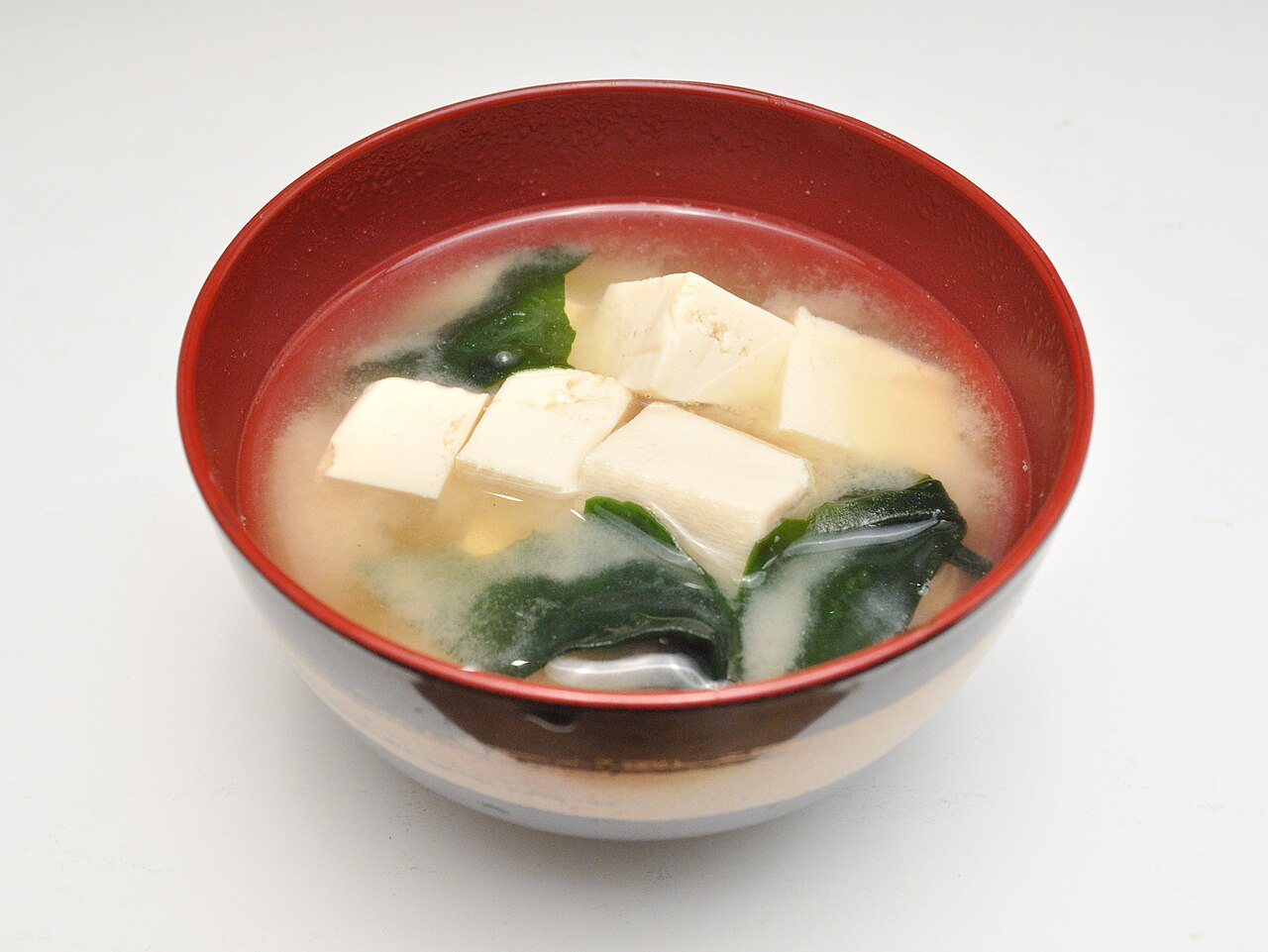
- Tofu: Soft, silken tofu cubes absorb the broth beautifully, adding a gentle protein element.
- Wakame: Dried seaweed that rehydrates into a vibrant green, offering a slight chewiness and a subtle marine flavor.
- Green Onions: Sliced thinly, they provide a fresh, pungent garnish that brightens each spoonful.
- Other Additions: Depending on regional variations or personal preference, mushrooms (like shiitake or enoki), daikon radish, or even small pieces of seafood can be incorporated, adding further layers of flavor and nutrition.
The magic of creating the perfect bowl of japanese miso soup lies in understanding how these simple components interact. For those keen to try their hand at this comforting classic, our guide, Easy Homemade Japanese Miso Soup Recipe: A Step-by-Step Guide, offers a comprehensive walkthrough.
Beyond Comfort: The Nutritional Powerhouse of Japanese Miso Soup
While celebrated for its flavor and comfort, japanese miso soup is also a nutritional powerhouse, offering a wealth of health benefits that align perfectly with a balanced diet. It's often praised for being a low-calorie, nutrient-dense dish, making it an excellent choice for those seeking wholesome nourishment.
One of the most significant health advantages comes from the miso paste itself. Being a fermented food, miso is rich in probiotics. These beneficial bacteria are vital for maintaining a healthy gut microbiome, which in turn supports digestion, enhances nutrient absorption, and may even boost overall immune function. A healthy gut is increasingly recognized as fundamental to overall well-being, making miso soup a delicious way to support digestive health.
Beyond probiotics, the ingredients commonly found in japanese miso soup contribute significantly to its nutritional profile:
- Tofu: Provides an excellent source of plant-based protein, essential for muscle repair and growth, along with various amino acids.
- Wakame and Other Vegetables: Seaweed like wakame is rich in iodine and other minerals, while additions like green onions and mushrooms supply a good dose of vitamins, minerals, and antioxidants, which combat free radicals and support cellular health.
- Fiber: The combination of miso, tofu, and vegetables contributes dietary fiber, aiding in satiety and digestive regularity.
Despite its many benefits, it's important to consume japanese miso soup mindfully. Individuals with a soy allergy or sensitivity should avoid it due to the soybean content. Additionally, miso paste is naturally high in sodium. Therefore, those with high blood pressure or kidney issues should enjoy miso soup in moderation to manage sodium intake. For a deeper dive into its health credentials, explore our article: Japanese Miso Soup: Unpacking Its Health Benefits & Nutrition.
Crafting Your Own Bowl: A Simple Guide to Japanese Miso Soup
One of the most appealing aspects of japanese miso soup is its relative simplicity and speed of preparation, making it an ideal choice for a quick yet nourishing meal. While there are countless regional variations and personal touches, the fundamental process remains consistent:
- Prepare the Dashi: The first step is always to create a flavorful dashi broth. This typically involves simmering kombu (dried kelp) in water, then removing it and adding katsuobushi (bonito flakes) briefly before straining. This foundational broth is key to the soup's umami depth.
- Add Solid Ingredients: Once the dashi is ready, ingredients like sliced tofu, rehydrated wakame, and any chosen vegetables (e.g., mushrooms) are gently simmered in the broth until cooked through.
- Dissolve the Miso: This is perhaps the most crucial step. Miso paste should never be boiled, as high heat can destroy its delicate probiotics and diminish its flavor. Instead, a portion of the hot dashi is typically removed, mixed with the miso paste until fully dissolved, and then stirred back into the main pot. The heat should then be turned off immediately.
- Garnish and Serve: A generous sprinkle of freshly sliced green onions is the perfect finishing touch, adding a burst of color and a fresh, aromatic kick.
Practical Tips for Success:
- Quality Matters: Invest in good quality miso paste and fresh dashi ingredients for the best flavor.
- Don't Boil the Miso: Always add miso off the heat to preserve its probiotics and flavor integrity.
- Customization is Key: Feel free to experiment with different types of miso, seasonal vegetables, or even a dash of chili oil for a spicy kick. The beauty of japanese miso soup lies in its versatility.
- Serve Immediately: Miso soup is best enjoyed fresh and hot.
Conclusion
From its ancient origins as a food preservation method to its current status as a comforting, umami-rich, and incredibly versatile dish, japanese miso soup stands as a testament to the enduring appeal of traditional Japanese cuisine. It offers a perfect blend of delicate flavors, satisfying textures, and impressive nutritional benefits, all wrapped up in a bowl that feels like a warm embrace.
Whether you're seeking a quick, healthy meal, a soothing balm on a chilly day, or simply an exploration of authentic Japanese flavors, japanese miso soup delivers on all fronts. Its timeless appeal and ease of preparation make it a culinary treasure worthy of a place in any kitchen. So, take a moment to savor its history, appreciate its umami, and perhaps even craft your own bowl to experience this truly remarkable soup.
